
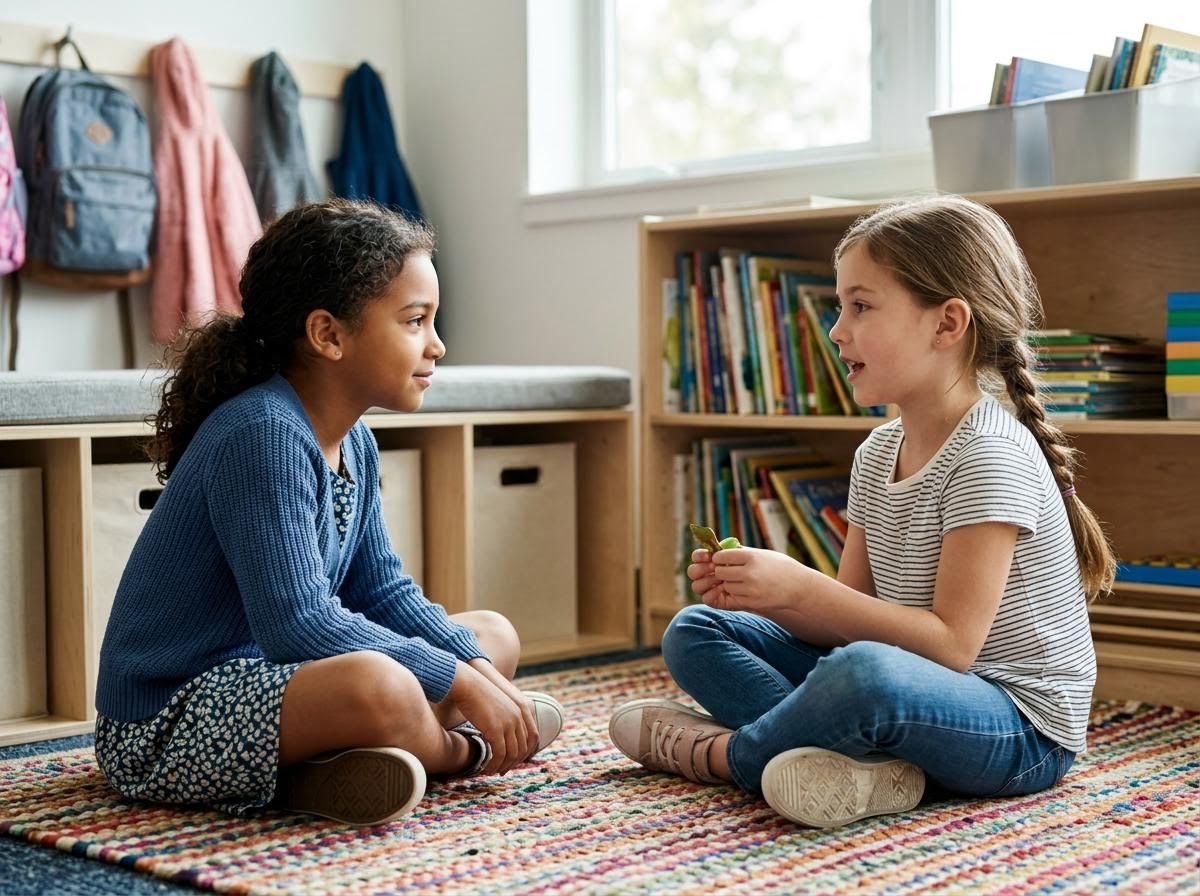
As the school year approaches, children and parents alike often feel a mix of excitement and apprehension. This transition period is not just about new textbooks and schedules; it's a profound journey in growth where emotional well-being and social competence play a pivotal role in a child's success and happiness. At Growing Nurtured Minds, we understand that nurturing these internal strengths is as vital as academic preparation, setting the foundation for a thriving future.
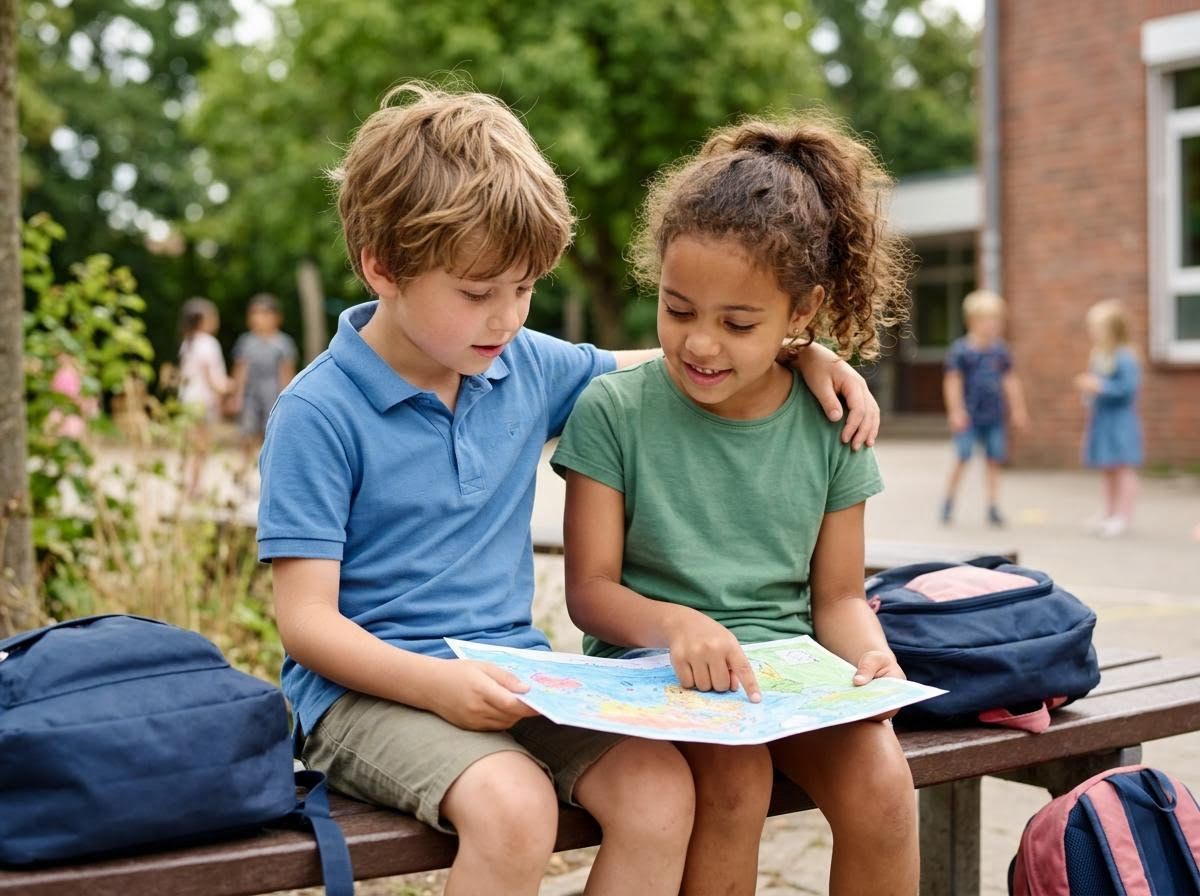
Understanding Social and Emotional Skills
Beyond ABCs and 123s, a child's ability to navigate their feelings, understand others, and build healthy relationships forms the bedrock of their overall development. This is where social and emotional learning, or SEL, comes into play. SEL encompasses the processes through which children (and adults) acquire and apply the knowledge, attitudes, and skills necessary to understand and manage emotions, set and achieve positive goals, feel and show empathy for others, establish and maintain positive relationships, and make responsible decisions. It's about developing a child's internal compass, helping them thrive not just academically, but in every aspect of life. Cultivating strong emotive and social learning skills equips children with the resilience and adaptability needed to face new challenges with confidence.
Essential SEL Skills for a Thriving School Year
As your child steps back into the classroom, certain social and emotional learning skills become particularly crucial. Firstly, self-awareness allows them to recognize their own emotions and strengths, helping them understand how they feel about starting school and what they need to succeed. Closely linked is self-management, which involves regulating those emotions, setting personal goals, and demonstrating self-discipline – like focusing in class or completing homework. Social awareness enables children to empathize with classmates and understand different perspectives, fostering a sense of community. Relationship skills are key for making new friends, resolving conflicts respectfully, and communicating effectively with both peers and teachers. Finally, responsible decision-making empowers them to consider the consequences of their actions, navigate social situations, and make choices that benefit themselves and others.
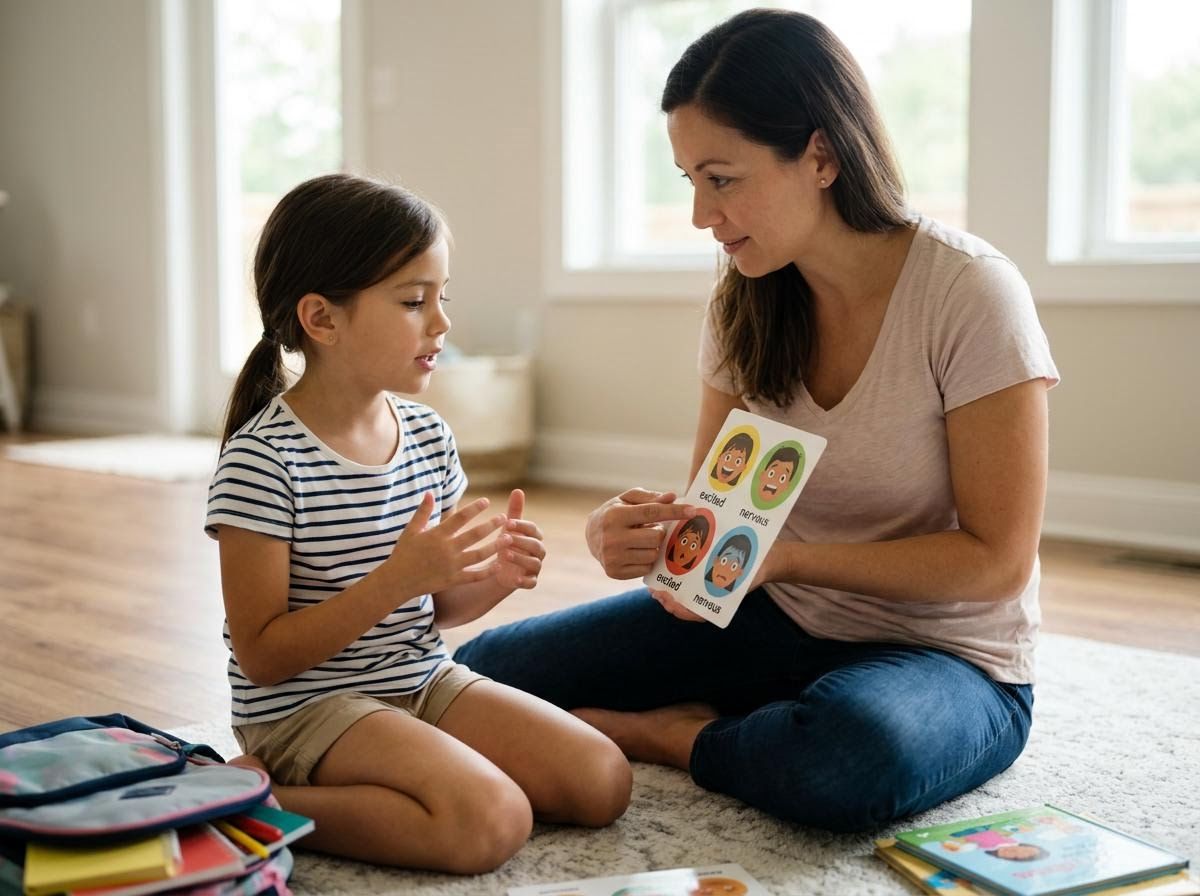
Nurturing Emotive and Social Learning at Home
Parents are the first and most influential teachers of social and emotional competence. You can actively foster these skills by creating a supportive home environment where feelings are acknowledged and discussed openly. Encourage your child to articulate their emotions and help them brainstorm healthy coping strategies when they feel overwhelmed. Role-play social scenarios, like introducing themselves to a new classmate or asking a teacher for help, to build their confidence. Model empathy by discussing how others might feel in different situations. When challenges arise, guide your child through problem-solving steps rather than solving everything for them. If your child is struggling significantly with their emotions or social interactions, remember that a qualified therapist can offer tailored strategies and support, providing a safe space for your child to explore and develop these vital skills.
The journey back to school is a significant milestone, and by focusing on your child's social and emotional learning, you are equipping them with invaluable tools for success, happiness, and resilience. These foundational emotive and social learning skills are not just for the classroom; they are life skills that will serve them long after the school bells have stopped ringing. At Growing Nurtured Minds, we are dedicated to supporting families in cultivating these essential strengths, helping every child flourish into their most capable and compassionate self. To learn more about fostering your child's emotional growth and building strong social foundations, explore our comprehensive resources and supportive programs.