

As parents, we play a crucial role in shaping our children's emotional intelligence and well-being. Social-Emotional Learning (SEL) isn't just for the classroom; it's a vital component of a child's development that begins at home. By integrating SEL strategies into our daily interactions, we can equip our children with the skills they need to navigate their emotions, build strong relationships, and make responsible decisions. Let’s explore practical ways to bring SEL home and nurture your child's emotional growth.

Creating a Supportive Environment
A safe and supportive home environment is the foundation for SEL. Children need to feel secure expressing their feelings without fear of judgment.
Practice Active Listening: Give your child your full attention when they're speaking. Make eye contact, nod, and reflect on what they're saying to show you understand.
Validate Emotions: Acknowledge and validate your child's feelings, even if you don't agree with their perspective. Saying things like "I understand you're feeling frustrated" can make a big difference.
Establish Open Communication: Create opportunities for open and honest conversations. Dinner time, bedtime, or even car rides can be great times to connect.
Teaching Emotional Literacy
Emotional literacy is the ability to recognize, understand, and express emotions. Helping your child develop this skill is essential for their emotional well-being.
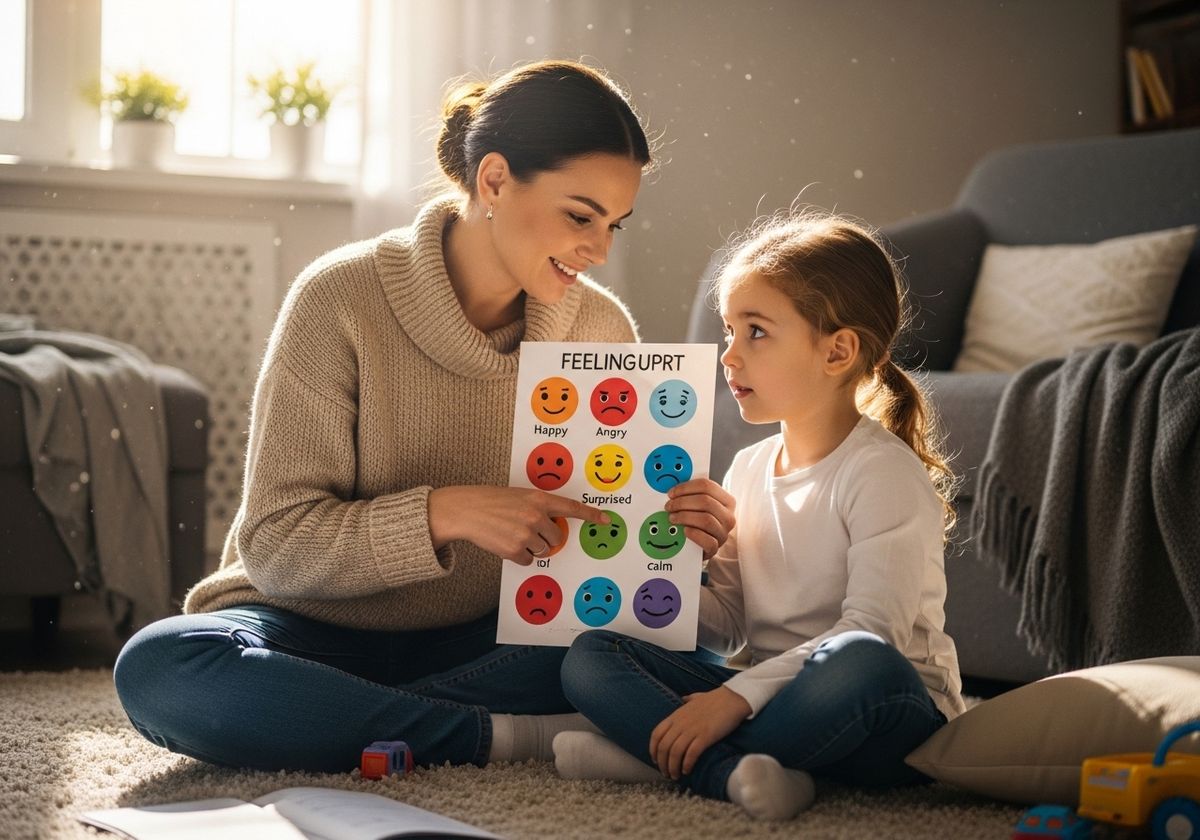
Name the Emotions: Help your child identify and name their emotions. Use feeling words like happy, sad, angry, scared, and excited. You can use feeling charts, books, or games to make it fun.
Model Emotional Expression: Show your child how to express emotions in a healthy way. Talk about your own feelings and how you cope with them.
Discuss the Physical Sensations of Emotions: help your child connect physical sensations to their emotions, for instance, "When I'm anxious, my palms sweat." This helps them become more aware of their feelings.

Promoting Self-Regulation
Self-regulation is the ability to manage emotions and behaviors effectively. It's a critical skill for success in school, work, and life.
Teach Calming Techniques: Teach your child calming techniques like deep breathing, counting to ten, or taking a break. Practice these techniques together so they can use them when they're feeling overwhelmed.
Establish Routines and Structure: Routines and structure can help children feel more secure and in control. Create a daily schedule that includes time for schoolwork, play, and relaxation.
Encourage Problem-Solving: When your child is facing a problem, encourage them to come up with solutions. Help them weigh the pros and cons of each option and choose the best course of action.

Cultivating Empathy and Compassion
Empathy and compassion are essential for building strong relationships and contributing to a caring community.
Model Empathy: Show empathy towards others in your words and actions. Talk about how other people might be feeling and why.
Encourage Perspective-Taking: Help your child see things from other people's perspectives. Ask questions like "How do you think they're feeling?" or "Why do you think they did that?"
Promote Kindness and Helping Behaviors: Encourage your child to be kind and helpful to others. Look for opportunities to volunteer or do good deeds as a family.

Addressing Challenges and Seeking Support
Some children may face specific challenges that require additional support. If your child is struggling with emotional or behavioral issues, it's important to seek professional help. A therapist can provide guidance and support to both you and your child.
Applied Behavior Analysis: Consider if ABA might be right for your child.
IEP Individualized Education Plan: If your child has an IEP, be sure that their emotional needs are met in the plan.
ADHD and Executive Functioning: Seek out help if your child struggles with ADHD and executive functioning.
Incorporating social and emotional learning into your home life is a journey, not a destination. Be patient with yourself and your child as you learn and grow together. By creating a nurturing and supportive environment, teaching emotional literacy, promoting self-regulation, and cultivating empathy, you can empower your child to thrive emotionally, socially, and academically. Together, let’s grow, nurture, and succeed-one child at a time. At Growing Nurtured Minds, founded in 2025, we understand the importance of fostering these skills. Our value proposition ensures we empower diverse learners to thrive academically, emotionally, and socially through personalized support, innovative strategies, and a nurturing environment. We would be glad to partner with you in helping your child become more emotionally intelligent. Contact us today to learn more about our programs. Also, consider checking out the resources on our website.