
Life is a journey filled with ups and downs, and for our children, navigating these experiences with grace and strength is a fundamental skill. Building resilience, the ability to bounce back from challenges, is not an innate trait but a learned capacity, deeply intertwined with emotive and social learning. At Growing Nurtured Minds, we understand that fostering a strong emotional foundation is key to helping children thrive in an ever-changing world.

The Foundation of Resilience: Emotional Well-being
Resilience is more than just toughness; it is the capacity to adapt well in the face of adversity, trauma, tragedy, threats, or significant sources of stress. For children, developing this quality means learning how to understand and manage their emotions, navigate social interactions, and solve problems constructively. Without a strong emotional foundation, minor setbacks can feel overwhelming, hindering a child's confidence and ability to move forward. Nurturing emotional well-being involves creating a safe space for children to express their feelings, validate their experiences, and equip them with tools to cope with stress and disappointment in healthy ways.
Embracing Social and Emotional Learning (SEL)
Social and emotional learning (SEL) provides a framework for cultivating these vital life skills. It encompasses five core competencies: self-awareness, self-management, social awareness, relationship skills, and responsible decision-making. When children engage in SEL, they learn to identify their feelings, understand how their actions affect others, make thoughtful choices, and build positive connections. This holistic approach to development doesn't just improve academic performance; it also significantly enhances a child's ability to cope with life's challenges, strengthening their inner fortitude and preparing them for future success and happiness.

Practical Strategies for Emotional Skills
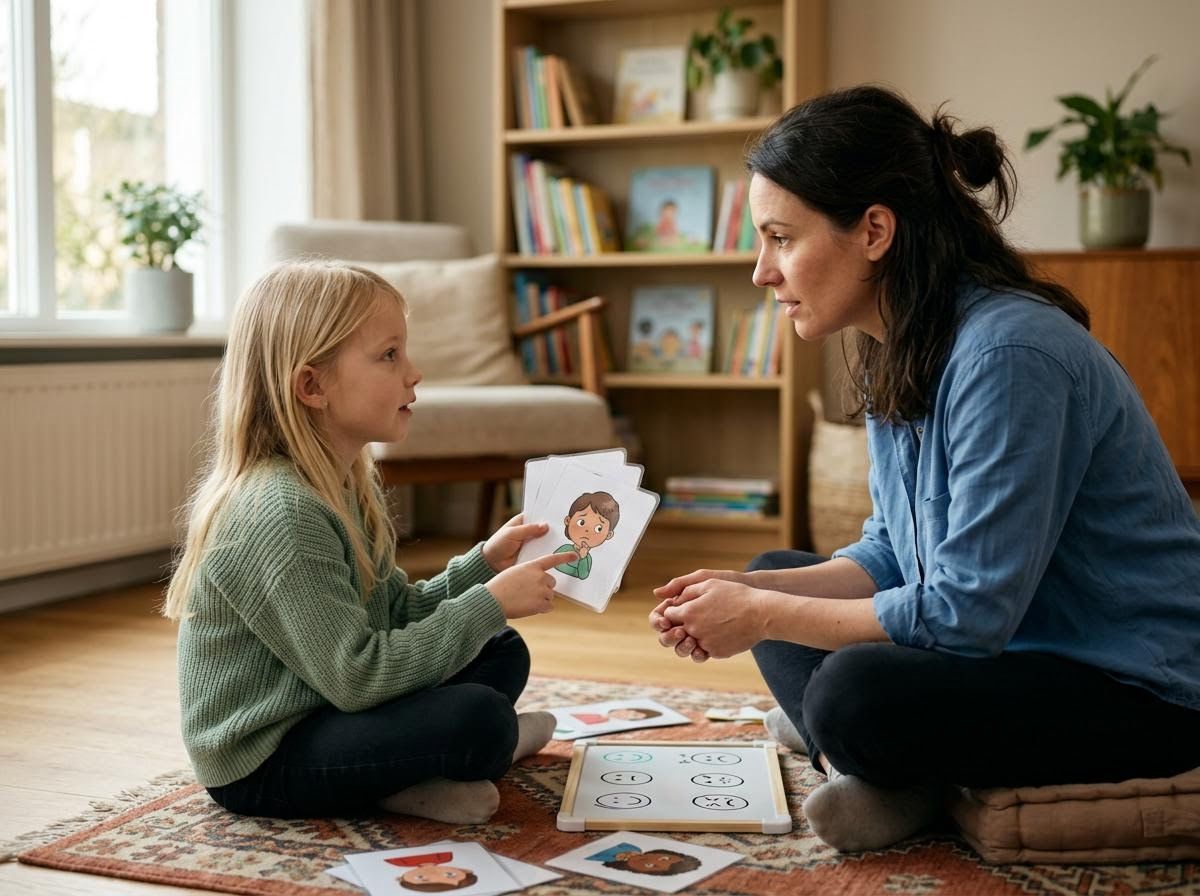
Parents play a pivotal role in integrating social and emotional learning into daily life. Start by modeling emotional literacy: openly discuss your own feelings and how you manage them. Encourage your child to identify their emotions by asking, "How does that make you feel?" and validate their responses. Teach problem-solving skills by working through disagreements or disappointments together, focusing on solutions rather than blame. Engage in activities that promote empathy, such as reading diverse stories or volunteering. Remember, these skills take time to develop, and consistency is key. For more tailored support, consulting a therapist can provide valuable strategies and guidance for both parents and children in fostering these essential life skills.
Creating a Future of Strength and Compassion
Nurturing resilience through emotive and social learning strategies empowers children to face life's inevitable challenges with confidence and a compassionate heart. By focusing on emotional literacy, self-management, and effective social interaction, we equip them not just to survive, but to truly flourish. Helping your child develop these fundamental skills is one of the most profound gifts you can offer. If you're seeking guidance on strengthening your child's emotional toolkit, we invite you to learn more about the supportive programs and resources available through Growing Nurtured Minds.