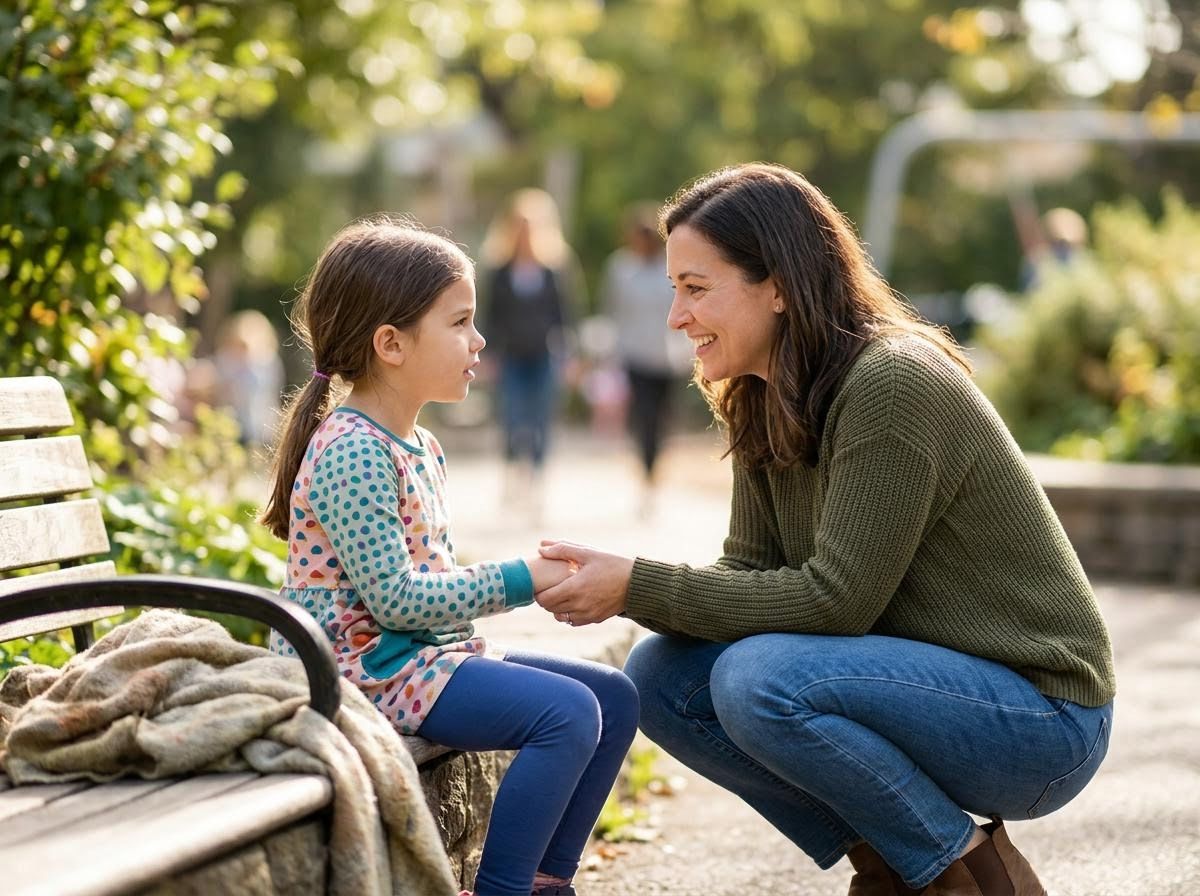
Nurturing a child's healthy self-esteem is one of the most profound gifts a parent can offer, laying the groundwork for a resilient and fulfilling life. At Growing Nurtured Minds, we understand that this vital foundation is deeply intertwined with their ability to navigate emotions and social interactions. This post will explore how cultivating strong emotive and social learning skills can empower your child to develop a robust sense of self-worth from within.
The Roots of Healthy Self-Esteem
True self-esteem goes beyond fleeting confidence or external achievements; it’s a deep-seated belief in one's own worth and capability. It's about accepting oneself, understanding one's strengths and areas for growth, and feeling a sense of belonging and purpose. Children with healthy self-esteem are more resilient in the face of setbacks, better equipped to form positive relationships, and more likely to pursue their passions. This internal compass is not something children are simply born with; it is carefully nurtured through their experiences and the supportive environments we create for them.
How Emotive and Social Learning Builds Self-Esteem
Social and emotional learning, often referred to as SEL, provides the essential framework for children to develop a strong sense of self. It encompasses five core competencies: self-awareness, self-management, social awareness, relationship skills, and responsible decision-making. When children learn to identify and understand their own emotions (self-awareness), regulate their responses (self-management), empathize with others (social awareness), communicate effectively (relationship skills), and make thoughtful choices (responsible decision-making), they gain a powerful sense of agency and competence. Each of these skills contributes directly to a child's ability to see themselves as capable, valued, and connected, fostering robust self-esteem.

Practical Steps for Nurturing SEL at Home
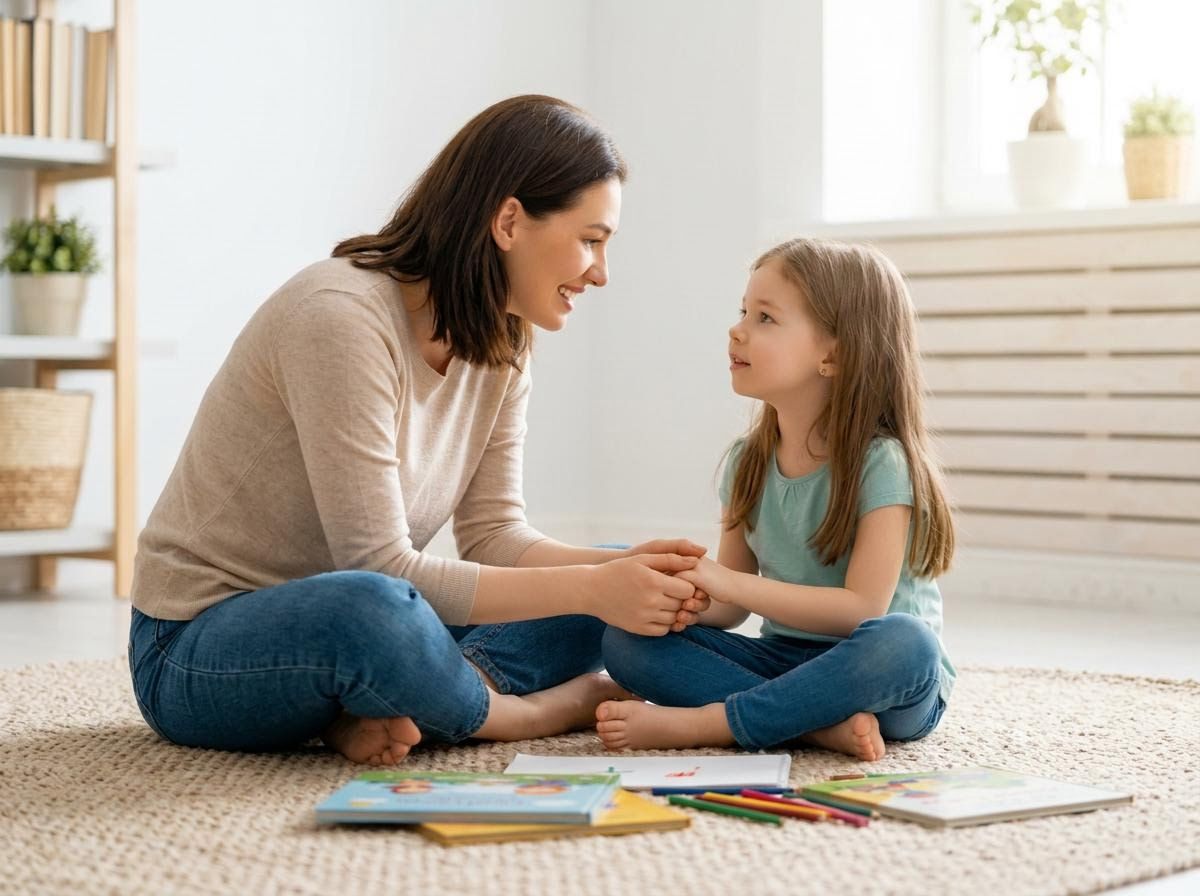
Parents play a crucial role in integrating social and emotional learning into daily life. Start by modeling healthy emotional expression; talk about your own feelings and how you manage them. Create a safe space where your child feels comfortable sharing their emotions without judgment, actively listening and validating their experiences. Encourage problem-solving by asking questions like, "How do you think we can fix this?" instead of always providing the answer. Celebrate effort and growth over perfection, teaching them that learning is a continuous journey. Engaging in family discussions about empathy and different perspectives also helps them build critical emotive and social learning skills that bolster their self-perception and their place in the world.
When Professional Support Can Help
While fostering a nurturing home environment is incredibly impactful, there are times when children may benefit from additional, specialized support. If you notice persistent struggles with self-worth, overwhelming emotional responses, difficulties forming friendships, or a withdrawal from activities they once enjoyed, it might be beneficial to seek guidance. A therapist can provide tailored strategies and a safe space for your child to explore their feelings, develop coping mechanisms, and build foundational social and emotional skills, empowering them to cultivate a stronger, healthier self-esteem.

Nurturing Your Child's Inner Strength
Fostering healthy self-esteem through focused emotive and social learning is an ongoing journey, but one that yields invaluable rewards for your child's entire life. By embracing SEL principles and providing a supportive environment, you are equipping them with the tools they need to understand themselves, navigate the world with confidence, and build meaningful connections. At Growing Nurtured Minds, we believe in supporting families in cultivating these vital skills. If you're seeking further guidance on cultivating these essential SEL skills in your child, we encourage you to explore the approaches that support their journey.