The journey through childhood is filled with incredible growth, and while academic achievements are often highlighted, nurturing a child's inner world is equally vital for their success, especially in the school environment. At Growing Nurtured Minds, we understand that a child's ability to navigate their feelings, build relationships, and make responsible choices forms the bedrock of their well-being and learning potential. This is where the power of emotional social learning comes into play, equipping children with the essential skills they need to thrive both inside and outside the classroom.
Understanding the Foundation of Emotional Social Learning
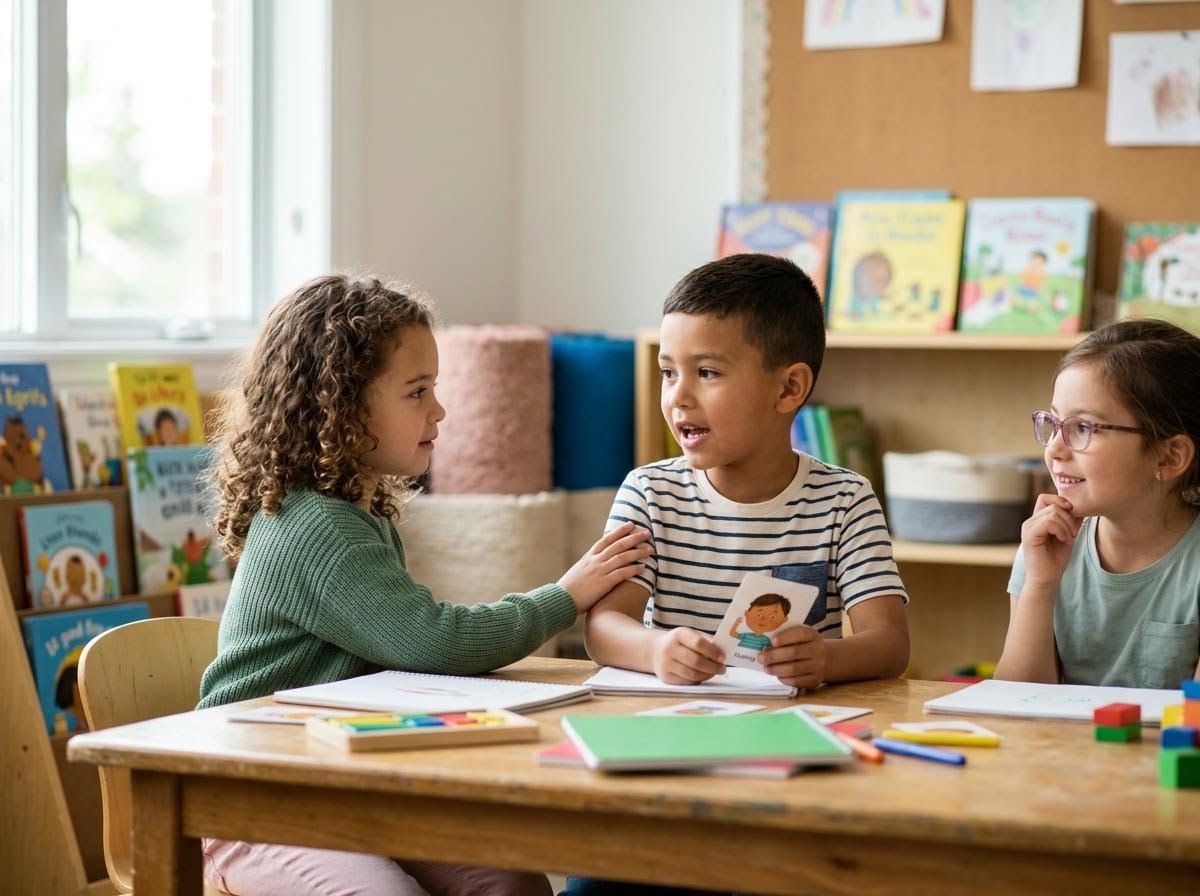
Emotional social learning, often abbreviated as SEL, is the process by which children and adults acquire and effectively apply the knowledge, attitudes, and skills necessary to understand and manage emotions; set and achieve positive goals; feel and show empathy for others; establish and maintain positive relationships; and make responsible decisions. For children, particularly as they enter school, these skills are not just "nice to haves" but fundamental to their ability to learn, interact, and adapt. A child with strong emotive and social learning skills can better cope with challenges, understand peer perspectives, communicate their needs, and focus on their academic tasks without being overwhelmed by emotional distractions.
Strategies for Nurturing Social and Emotional Growth at Home
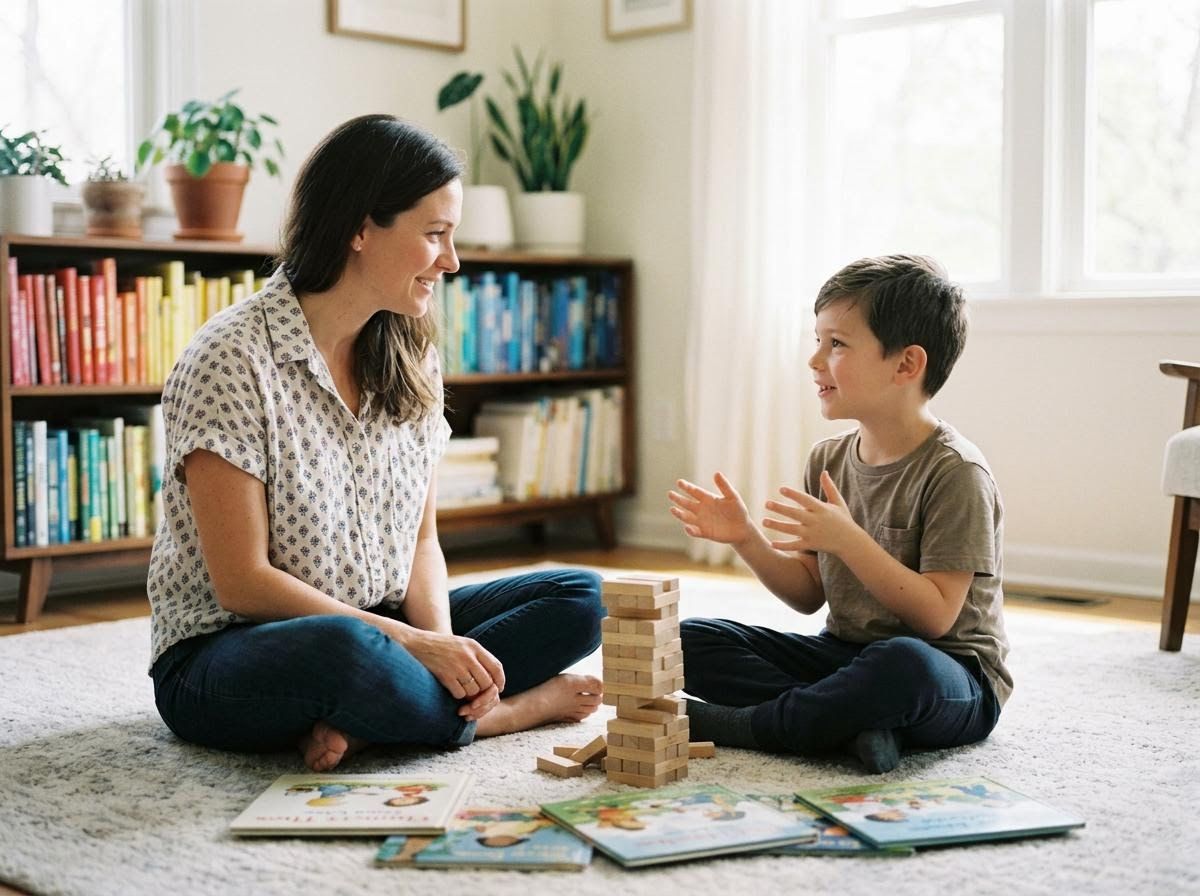
Parents play a crucial role in laying the groundwork for strong social and emotional development. Creating a home environment that encourages open communication and emotional expression is key. Start by modeling healthy emotional responses yourself, demonstrating how to identify and articulate feelings. Engage in conversations about daily experiences, asking open-ended questions like "How did that make you feel?" or "What do you think your friend was feeling?" Encourage empathy by discussing characters in books or movies and their motivations. Role-playing social situations, like asking to join a game or handling a disagreement, can also empower children with confidence. Teaching simple problem-solving steps, such as identifying the problem, brainstorming solutions, and choosing the best one, provides a framework for managing conflict and challenges.
Recognizing and Addressing Social and Emotional Challenges
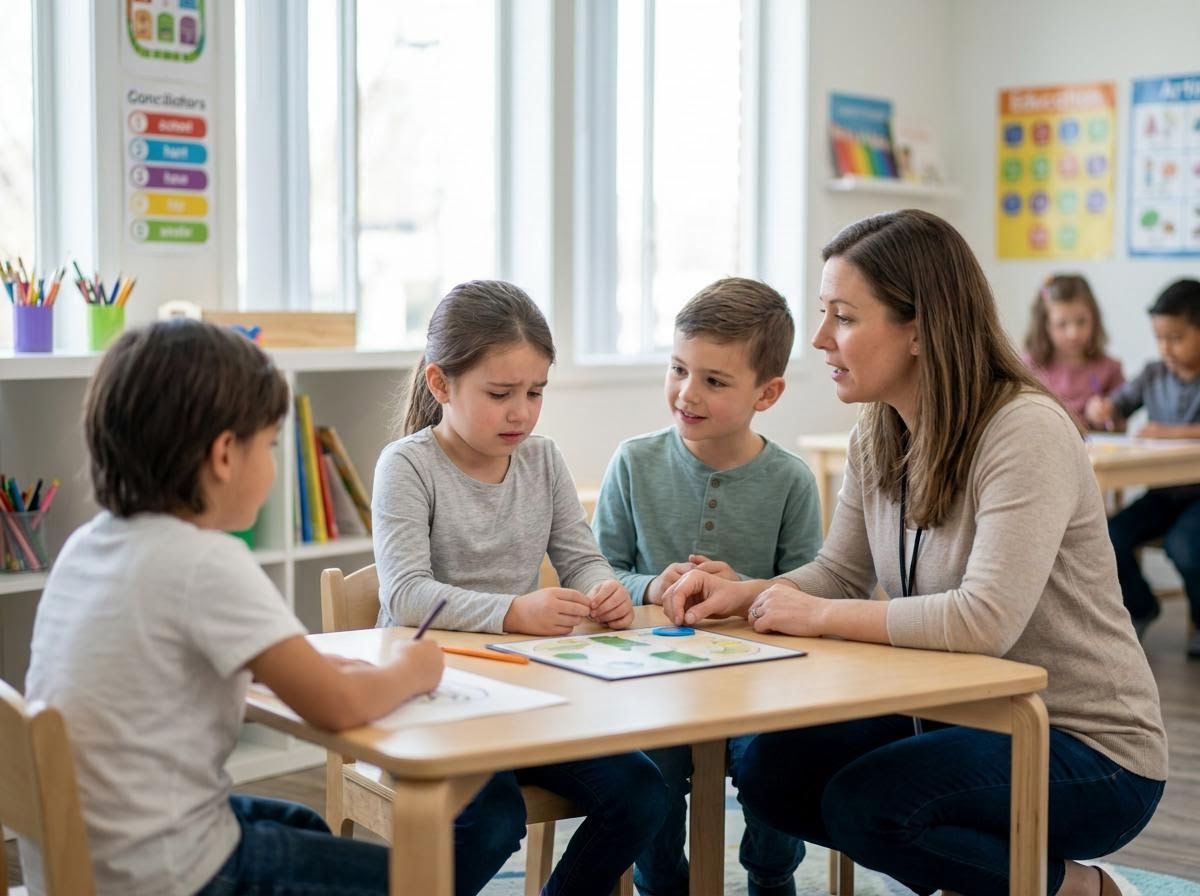
While every child develops at their own pace, parents need to be attuned to signs that their child might be struggling with social and emotional learning. Persistent difficulties making or keeping friends, frequent and intense emotional outbursts, extreme shyness or social withdrawal, aggressive behaviors, or a pronounced lack of empathy can all be indicators that a child could benefit from additional support. These challenges can significantly impact a child's school experience, affecting their academic engagement, peer relationships, and overall self-esteem. Early recognition and intervention are important, and sometimes, the guidance of a professional therapist can provide tailored strategies and a safe space for children to develop these crucial skills.
Making Resilient Futures
Helping your child master emotional and social learning is a dedicated and continuous effort, building a foundation that will serve them throughout their lives, especially as they navigate the complexities of school. By fostering these essential skills at home and understanding when professional support may be beneficial, you empower your child not just academically, but as a well-rounded, resilient, and compassionate individual. Growing Nurtured Minds is deeply committed to supporting families in this vital journey, providing resources and guidance to strengthen children's emotive and social learning capabilities. If you're seeking additional strategies or personalized support to nurture your child's emotional and social development, we invite you to explore our specialized programs and learn how a therapist can assist.