As parents, navigating the complexities of children's behavior can sometimes feel overwhelming, especially when faced with challenging moments that test our patience and understanding. At Growing Nurtured Minds, we believe that understanding the emotional landscape behind these actions is key to fostering growth and harmony within the family. By embracing the principles of emotional social learning, we can empower our children with the vital tools they need to navigate their feelings and interactions more effectively, transforming difficult situations into opportunities for profound development.

Understanding the Heart of Challenging Behaviors
It's natural for children to express themselves in ways that can be difficult for adults to understand or manage. Often, what appears as "misbehavior" is a child's attempt to communicate an unmet need, a struggle with a strong emotion, or a gap in a crucial skill. Rather than simply labeling a behavior as "bad," a more compassionate and effective approach involves looking deeper. Children might lack the vocabulary to articulate their frustration, the self-regulation to control an impulse, or the social awareness to understand the impact of their actions. Recognizing these moments as learning opportunities, where a child needs guidance rather than just discipline, is the first step in implementing social and emotional learning effectively.
The Foundations of Social and Emotional Learning
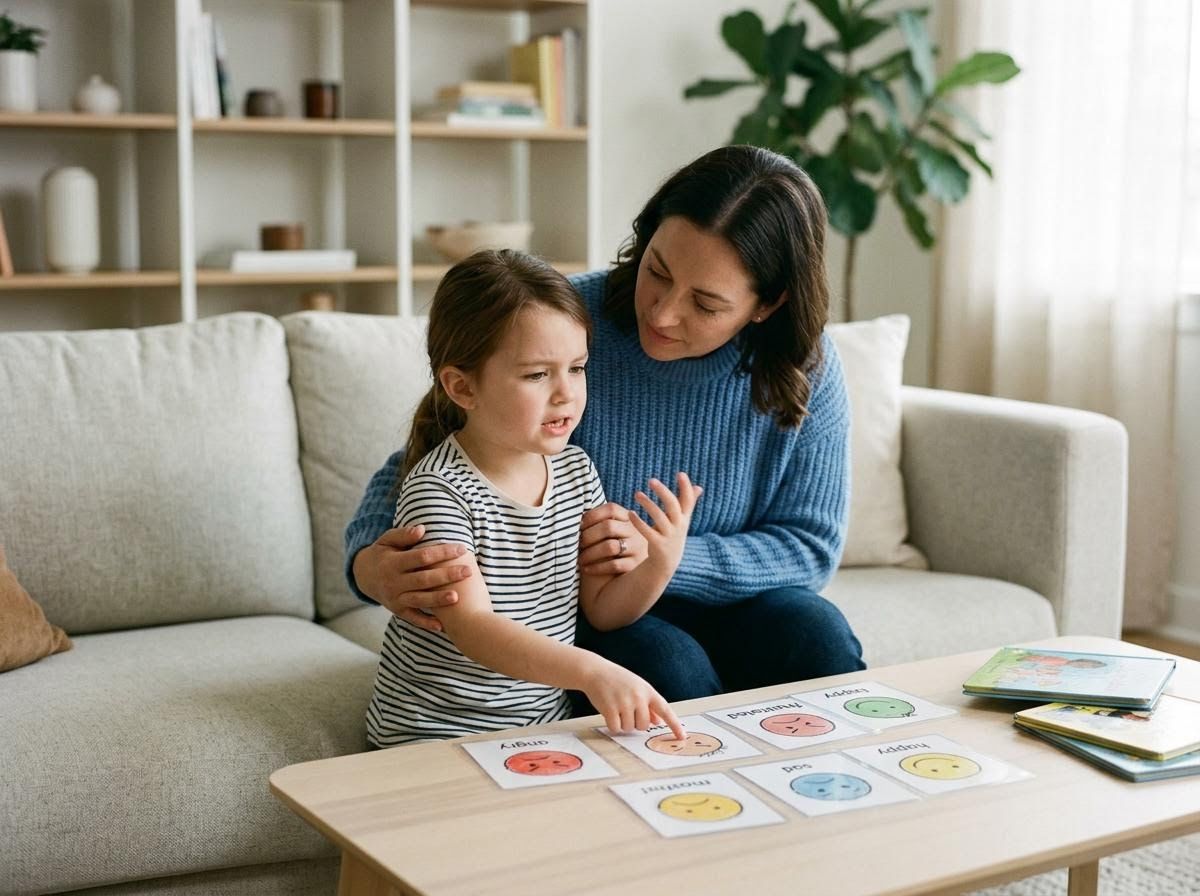
Social and emotional learning, often referred to as SEL, is a holistic framework that helps children develop five core competencies: self-awareness, self-management, social awareness, relationship skills, and responsible decision-making. When children are taught these skills, they gain a greater understanding of their own emotions, learn how to manage them constructively, empathize with others, build positive relationships, and make thoughtful choices. For instance, teaching a child to identify feelings like anger or sadness (self-awareness) and then providing strategies like deep breathing or taking a break (self-management) can significantly reduce outbursts. This proactive approach not only addresses challenging behaviors but also builds a strong foundation for future success and well-being.

Nurturing Emotive and Social Learning at Home
Integrating emotive and social learning into daily family life doesn't require a formal curriculum; it's about intentional interactions and modeling. Parents can create a nurturing environment by openly discussing emotions, validating children's feelings, and helping them practice problem-solving. For example, when a conflict arises between siblings, instead of immediately imposing a solution, guide them through identifying their feelings, understanding each other's perspectives, and brainstorming fair resolutions. This consistent support in developing relationship skills and responsible decision-making teaches children invaluable life lessons. Remember, progress takes time, patience, and a dedicated commitment to understanding and guiding your child through their emotional development.
A Path to Deeper Connection and Growth
Adopting an emotional social learning approach to managing challenging behaviors can profoundly transform family dynamics, replacing frustration with understanding and conflict with connection. By equipping children with these essential life skills, we empower them to navigate their world with greater confidence and resilience, laying the groundwork for a future filled with emotional intelligence. At Growing Nurtured Minds, we are dedicated to supporting families on this journey. To learn more about how a therapist can further assist your child in developing these crucial social and emotional learning competencies, we invite you to explore the resources and services available on our website.