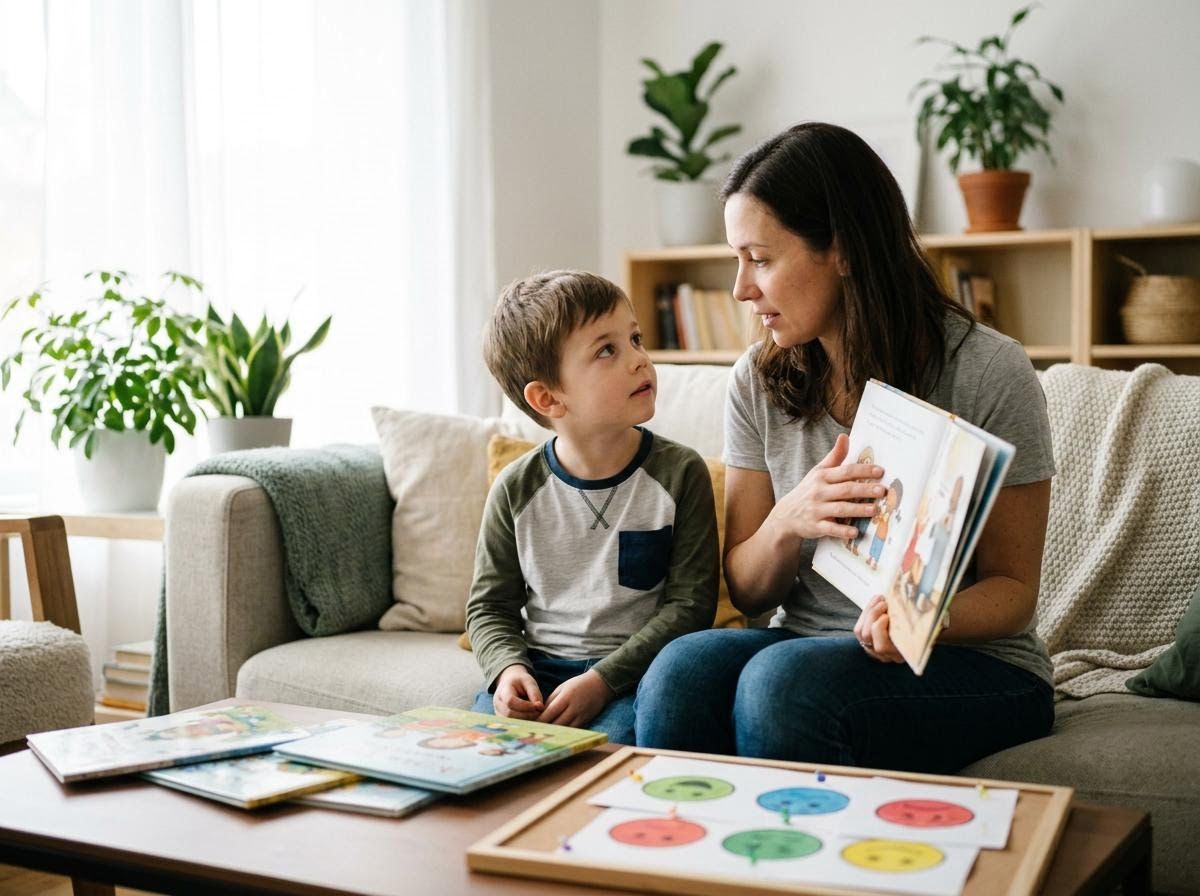
At Growing Nurtured Minds, we understand that raising compassionate, well-adjusted children is a deeply cherished goal for many parents. Nurturing empathy in our children is not just about teaching kindness; it's about equipping them with the vital skills to understand and share the feelings of others, a cornerstone of strong relationships and healthy development. This begins with intentional, daily emotional social learning practices that integrate seamlessly into family life, helping our little ones navigate the complexities of their inner world and the world around them.
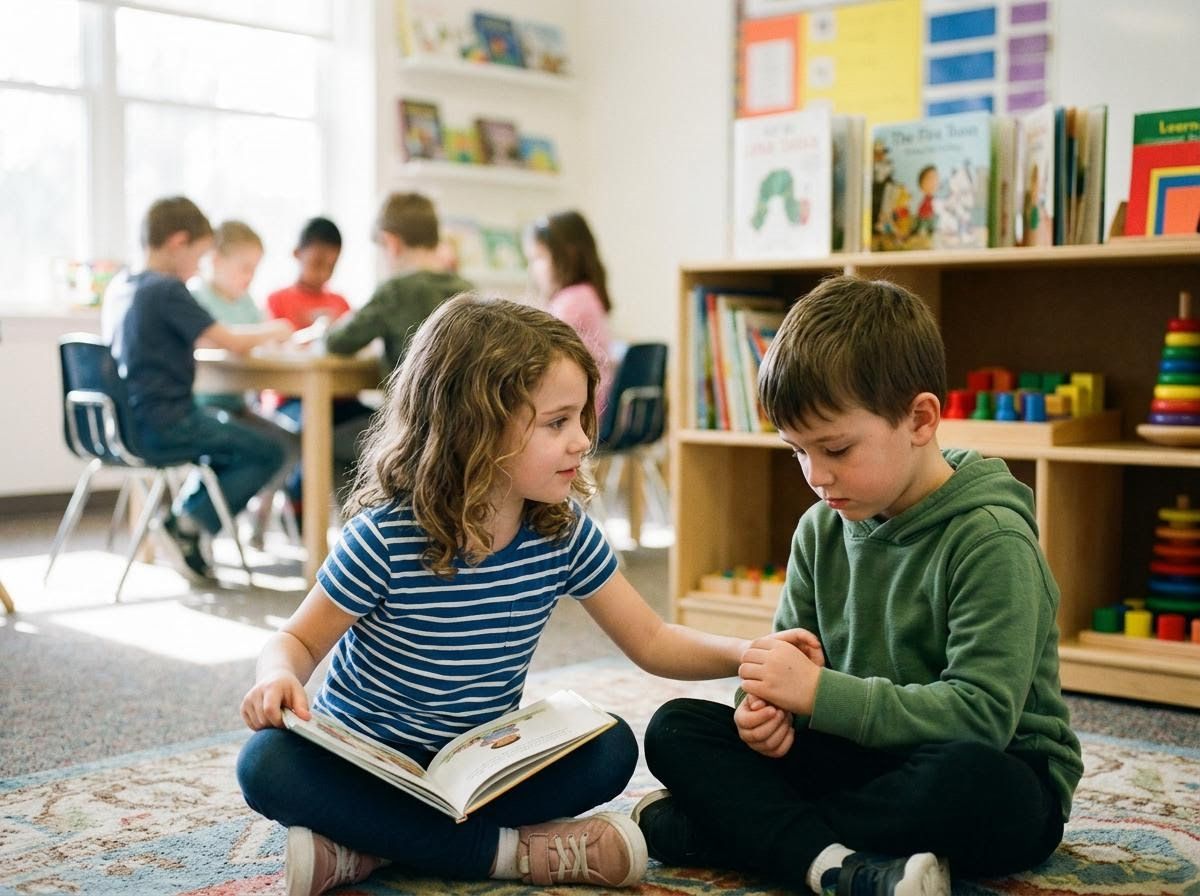
What Empathy Is and Why It Matters
Empathy is the remarkable ability to understand and share the feelings of another. It's more than just sympathy; it involves truly stepping into someone else's shoes and seeing the world from their perspective. Developing this crucial trait is a core component of social and emotional learning (SEL), providing children with the foundation for effective communication, conflict resolution, and forming meaningful connections. When children learn empathy, they become more resilient, more understanding, and better equipped to contribute positively to their communities. It helps them recognize non-verbal cues, interpret social situations, and respond with compassion, fostering a deeper sense of humanity from a young age.
Daily Rituals for Connection
Incorporating emotive and social learning into your daily routine doesn't require grand gestures; it thrives in small, consistent moments. Begin by openly discussing emotions, both yours and your child's, using a rich vocabulary to describe feelings like "frustrated," "joyful," or "confused." When reading stories or watching shows, pause to ask, "How do you think that character feels right now?" or "What would you do if you were them?" Encourage perspective-taking during disagreements, prompting your child to consider the other person's viewpoint. Modeling empathy yourself – showing kindness to strangers, listening attentively, and validating others' feelings – is perhaps the most powerful lesson of all. These simple, consistent practices build a rich tapestry of emotional understanding.
Creating an Environment of Emotional Safety
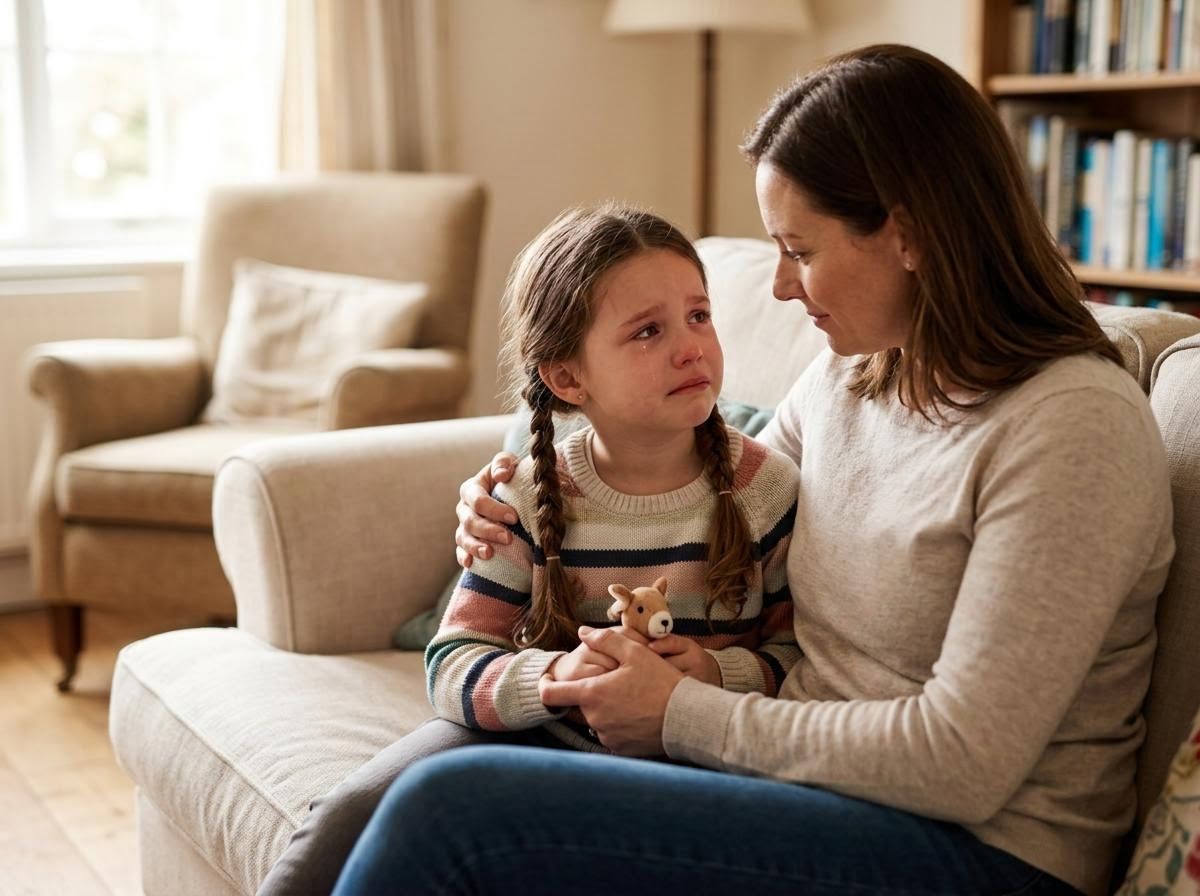
A crucial aspect of nurturing empathy through social and emotional learning is establishing a safe and validating environment at home. Children need to feel secure in expressing their own emotions before they can truly understand those of others. This means responding to their feelings with acceptance, even when the emotions are challenging. Instead of dismissing a child's tears or anger, acknowledge their feelings: "I see you're feeling really angry right now, and that's okay." Help them label these emotions and explore healthy ways to cope. By valuing their emotional experiences, you teach them that all feelings are valid, fostering an openness that extends to understanding and accepting the feelings of others. This consistent emotional safety is vital for robust social and emotional development.
When Professional Guidance Can Help
While daily practices are incredibly impactful, there are times when additional support can significantly benefit a child's social and emotional growth. If you observe persistent challenges in your child's ability to understand others' feelings, frequent emotional outbursts, difficulty forming friendships, or a general lack of social awareness despite your best efforts, it might be beneficial to seek professional guidance. A skilled therapist specializing in child development can offer tailored strategies and a supportive space for children to explore and enhance their social and emotional competencies, ensuring they develop a strong foundation for empathetic engagement.
Nurturing empathy through consistent social and emotional learning practices is a profound gift we can give our children, preparing them for a world that deeply needs compassionate and understanding hearts. By integrating these emotive and social learning principles into your family's daily rhythm, you are not only shaping kind individuals but also contributing to a more empathetic society. If you're seeking further resources or support on this vital journey, we invite you to explore the comprehensive guidance and services available through Growing Nurtured Minds.