
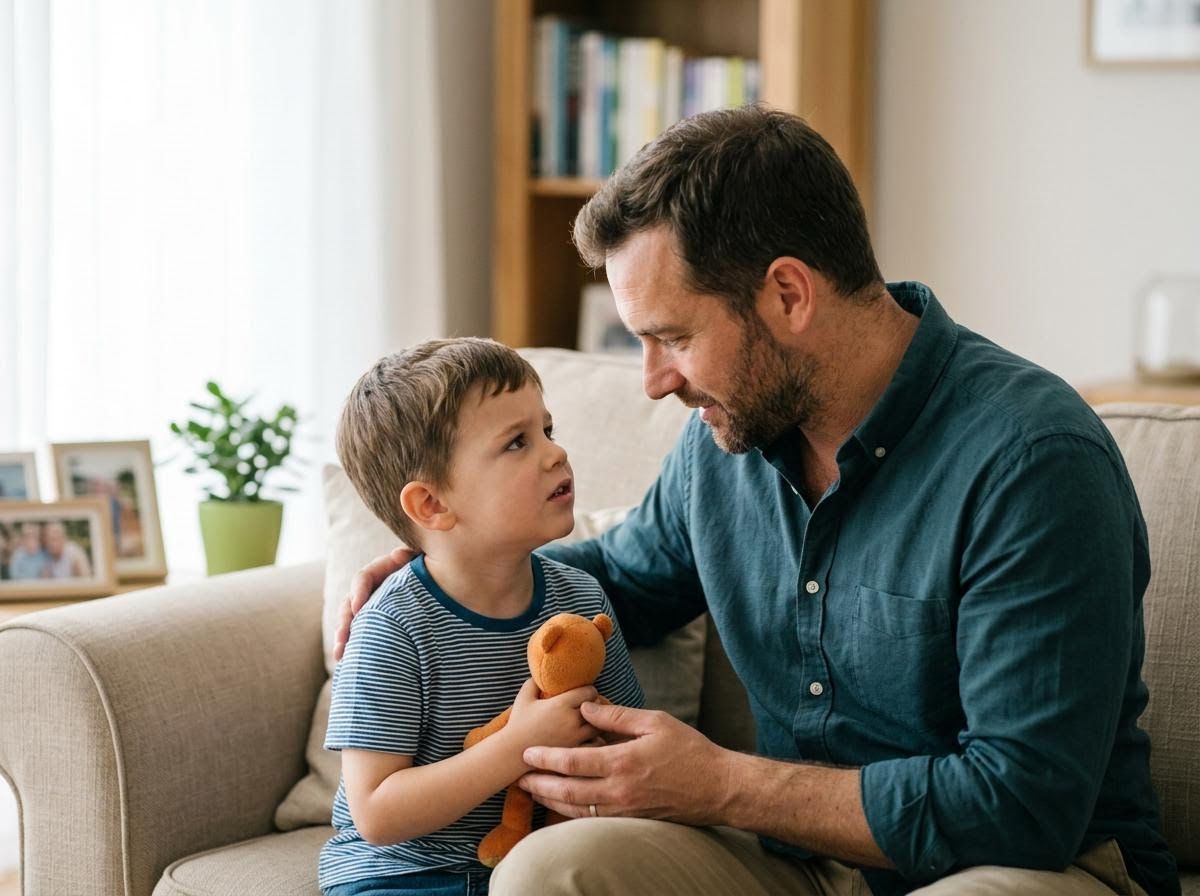
As parents, we often wish we had a guide to understand our children's emotions. It's a journey filled with ups and downs, and sometimes, deciphering those small signals can feel overwhelming. At Growing Nurtured Minds, we understand this deeply, and we believe that embracing the principles of emotive and social learning offers a profound path to not only comprehending but also nurturing your child's inner landscape. This approach provides invaluable tools for every family navigating the beautiful complexities of growth.
What is Social and Emotional Learning (SEL)?
Social and emotional learning, often referred to as SEL, is the process through which children and adults acquire and effectively apply the knowledge, attitudes, and skills necessary to understand and manage emotions, set and achieve positive goals, feel and show empathy for others, establish and maintain positive relationships, and make responsible decisions. It's a holistic framework that encompasses five core competencies: self-awareness (recognizing one's own emotions), self-management (regulating emotions and behaviors), social awareness (understanding others' perspectives), relationship skills (building and maintaining healthy connections), and responsible decision-making (making constructive choices). Developing these skills is crucial for navigating life's challenges and fostering well-being.
Decoding Your Child's Emotional Cues
By understanding the components of emotive and social learning, parents gain a powerful lens through which to interpret their child's behavior. A tantrum might not just be "bad behavior" but an underdeveloped self-management skill. A child withdrawing could be struggling with self-awareness or relationship skills. When you observe your child, consider which SEL competency might be at play. Are they having trouble articulating what they feel (self-awareness)? Are they struggling to share a toy (relationship skills)? This perspective shifts our focus from simply reacting to behavior to understanding the underlying emotional need, allowing for a more compassionate and effective response. It empowers you to see beyond the surface, recognizing that every emotional expression is a form of communication.

Cultivating Emotive and Social Skills at Home
Integrating social and emotional learning into daily life doesn't require a specialized curriculum; it's about intentional interactions and creating a supportive environment. Encourage your child to name their feelings, even if it's just "mad" or "sad," and validate those emotions without judgment. Practice active listening, giving them your full attention when they speak. Model healthy coping mechanisms and relationship skills by demonstrating kindness, empathy, and effective conflict resolution in your own interactions. Create designated safe spaces where your child feels comfortable expressing themselves without fear of consequence. Simple conversations about characters' feelings in books or movies can also be a wonderful way to build social awareness and empathy.
The Impact of Strong SEL Foundations
Investing in your child's emotive and social learning journey today yields benefits that will last a lifetime. Children with strong SEL skills tend to exhibit greater resilience, better academic performance, and more positive relationships with peers and adults. They are better equipped to handle stress, navigate social situations, and make thoughtful decisions, contributing to their overall mental health and future success. These foundational capacities empower them to grow into empathetic, responsible, and well-adjusted individuals who can contribute positively to their communities.
Nurturing Emotional Growth Together
Understanding your child's feelings through the lens of emotive and social learning is one of the most powerful gifts you can give them, fostering a deeper connection and paving the way for a resilient future. At Growing Nurtured Minds, we are dedicated to supporting families in cultivating these essential skills, recognizing that every child's emotional landscape is unique and deserves nurturing care. We invite you to explore resources and strategies that can further empower you in this crucial aspect of parenting.